

Abstract: As a vital pretreatment procedure in commercial palm kernel oil production, kernel-shell segregation directly determines kernel purity, oil extraction efficiency, and comprehensive resource utilization of modern palm oil processing lines. With the rapid expansion and technological upgrading of the global palm oil industry, high-efficiency, low-energy and eco-friendly sorting solutions for palm nut processing have become core indicators for the optimization and iteration of modern palm oil plants. This paper systematically summarizes the intrinsic working principles, mainstream technical workflows, core equipment advantages, and practical industrial application values of modern separation systems. It also analyzes technological iteration directions and sustainable development potential of current sorting techniques, aiming to provide professional, actionable technical references and industry guidance for global palm oil manufacturers, processing technicians, and related agricultural resource research institutions.
Keywords: palm kernel shell separation; dry airflow separation; wet density separation; palm kernel oil processing; palm kernel purification; biomass resource utilization; sustainable palm oil production; agricultural by-product recycling
1. Introduction
Palm nuts yielded from industrial palm fruit processing contain two core components: rigid outer shell layers and nutrient-dense inner kernels. High-purity kernels serve as the fundamental raw material for refined palm kernel oil, widely deployed in edible oil manufacturing, food formulation, and cosmetic production. Meanwhile, palm shell residues are recognized as high-quality renewable biomass resources with enormous recycling and reuse potential. In their natural state, kernels and shells remain tightly bonded. Conventional simplistic crushing only produces mixed fragments that cannot be directly used for oil pressing or resource recovery. Shell-contaminated kernel materials inevitably reduce oil output, accelerate mechanical abrasion, and degrade crude oil quality, while untreated mixed residues trigger substantial by-product waste and unnecessary ecological pressure.
Accordingly, precise separation of palm kernels and shells has become an indispensable procedure in standardized modern palm oil processing. Advanced separation technologies enable maximum recovery of high-purity palm kernels and full cyclic utilization of shell by-products, effectively driving the palm oil industry toward high-efficiency operation, low-cost production, and green sustainable development.
2. Core Working Principle of Palm Kernel-Shell Separation
Kernel-shell sorting is a mature physical separation technique that leverages inherent property differences between palm kernels and shell fragments, including density, specific gravity, unit mass, and air drag coefficient. After standardized targeted crushing of raw palm nuts, mixed materials achieve efficient classification and precise sorting through the synergistic effects of mechanical vibration grading, airflow winnowing, and gravity sorting — the core technical logic supporting modern commercial palm nut processing systems.
Palm kernels feature higher density and mass compared with lightweight, porous shell residues. Under adjustable mechanical vibration and stable directional airflow, low-density shell fragments are suspended and collected by airflow systems, while high-quality palm kernels settle down relying on gravity to achieve complete material separation. The entire physical separation process requires no chemical additives, ensuring food safety of kernel raw materials and fully complying with international food-grade processing and environmental regulations for palm oil production.
3. Mainstream Separation Technologies and Complete Industrial Processes
Currently, global commercial sorting solutions for palm nut processing fall into two mainstream categories: dry airflow separation and wet density separation. These two mature technical routes adapt to diverse production scales, raw material conditions, and kernel purity requirements, forming a multi-scenario industrial system for efficient palm nut purification.
3.1 Dry Airflow Separation Technology (Dominant Solution for Medium and Small-Scale Plants)
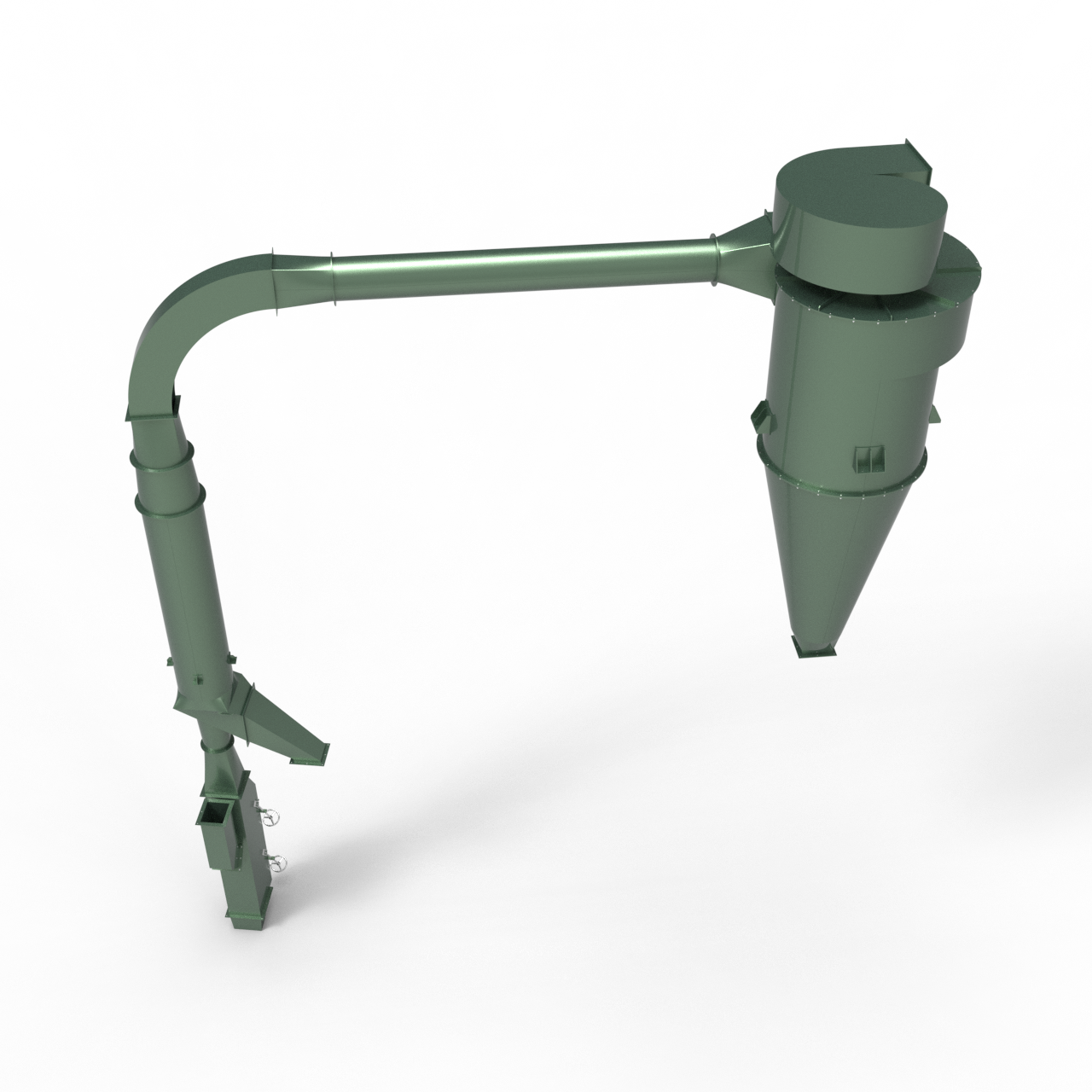
Dry airflow separation dominates the global medium and small-scale palm processing market, thanks to its zero-pollution performance, low energy consumption, stable sorting accuracy, and convenient maintenance. Its complete industrial workflow consists of four standardized core procedures: particle size grading screening, precise targeted crushing, frequency-convertible airflow sorting, and cyclone collection of purified kernels and shell residues.
Raw palm nuts are first delivered to professional grading screens for particle size classification. Materials with uniform particle sizes are sent to matched cracking equipment to avoid incomplete crushing or excessive kernel breakage, ensuring a high qualified rate of mixed crushed materials. After cracking, the kernel-shell mixture is lifted to the air separation tower via bucket elevators. The intelligent variable-frequency fan inside the tower generates stable and adjustable airflow. Light shell fragments are extracted and centralized collected by cyclone separators, while high-purity palm kernels fall into the conveying system through gravity settling for subsequent oil pressing procedures.
Optimized modern dry separation systems can achieve a separation efficiency of up to 99%, with extremely low shell residue in finished kernels, providing superior raw material conditions for high-yield and high-quality palm kernel oil extraction.
3.2 Wet Density Separation Technology (High-Precision Scheme for Large-Scale Integrated Plants)
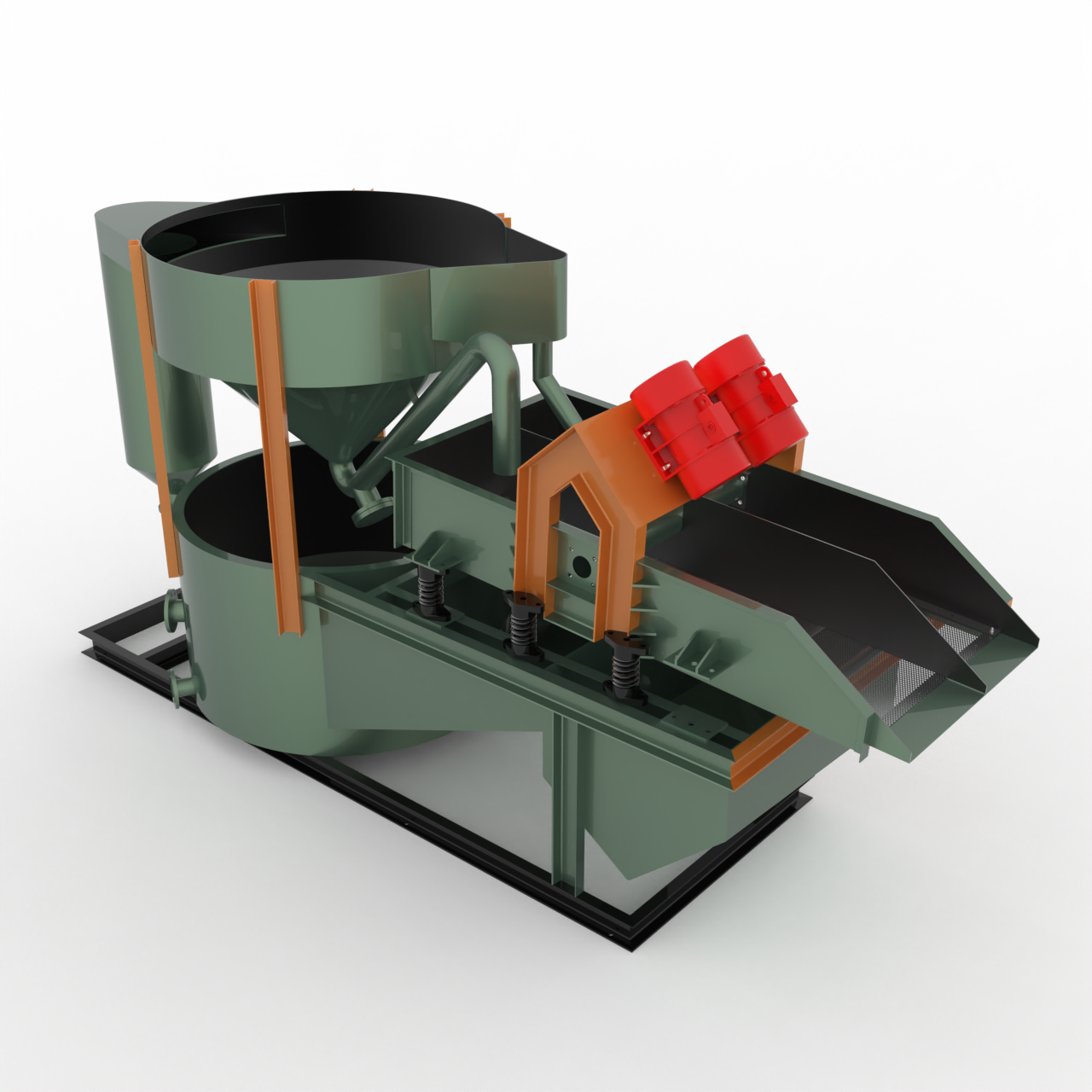
Wet density separation is primarily applied in large-scale integrated palm oil plants with ultra-high standards for kernel purity and integrity. This method adopts calcium carbonate slurry as the density medium, achieving high-precision sorting of kernels and shell fragments based on their distinct buoyancy discrepancies. Its standout advantages include superior sorting accuracy and nearly full kernel recovery rate, which maximally preserve kernel integrity and minimize raw material loss during palm nut purification.
Nevertheless, wet separation technology requires higher investment and operational costs, supporting by complete material drying and wastewater treatment systems. It is more suitable for high-throughput, high-standard industrial production scenarios. In contrast, dry airflow separation presents higher cost-effectiveness, lower energy consumption, and greener operation, making it the preferred solution for most medium and small-scale palm oil processing enterprises worldwide.
4. Core Advantages of Modern Kernel-Shell Separation Systems
4.1 Improved Separation Accuracy and Economic Profitability
Modern automated sorting systems effectively resolve the drawbacks of traditional manual sorting and simplistic mechanical separation, such as low efficiency, high impurity rates, and unstable product quality. Optimized equipment delivers a maximum sorting efficiency of 99%, which eliminates oil loss caused by shell contamination and greatly improves the comprehensive oil yield of palm kernel processing. Purified low-residue kernel materials produce high-quality crude oil with stable properties, strengthening product market competitiveness and bringing sustained economic returns for palm processing enterprises.
